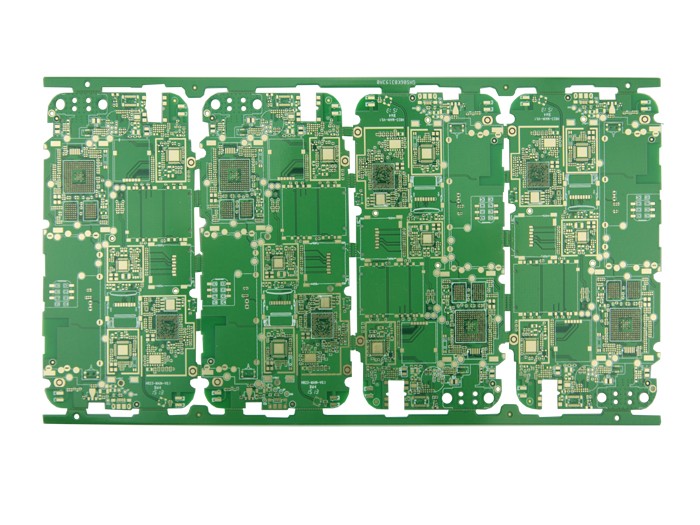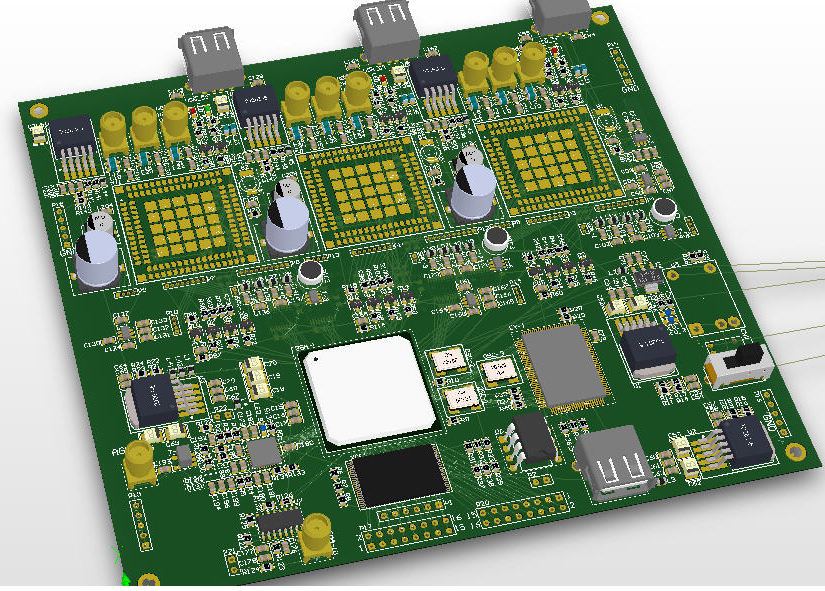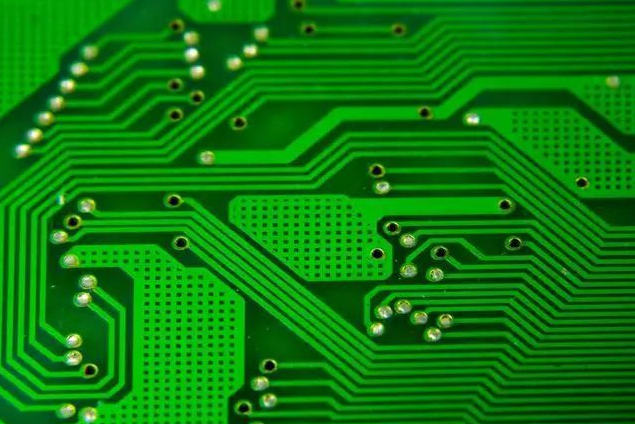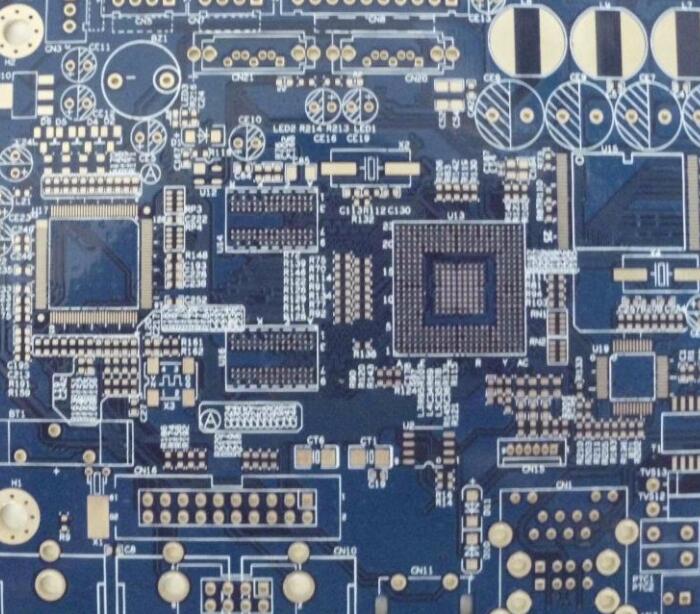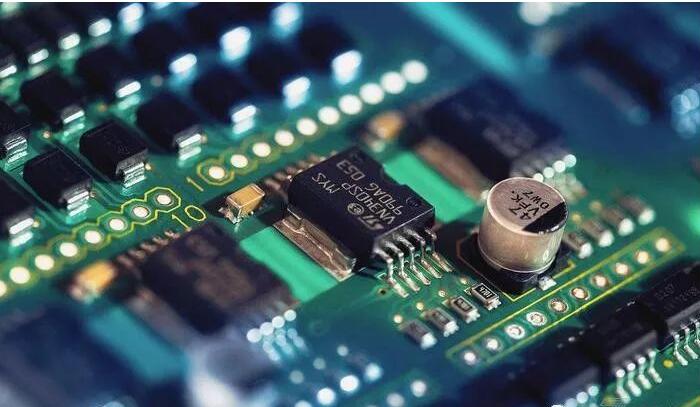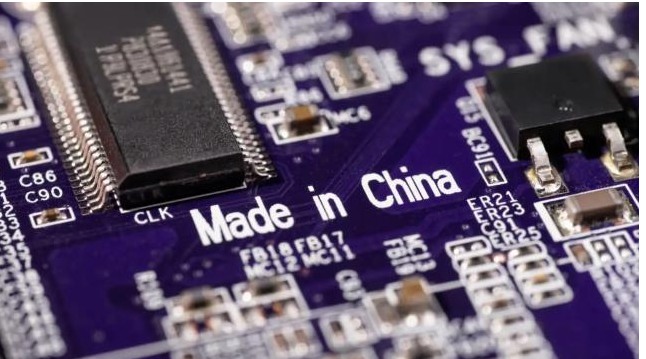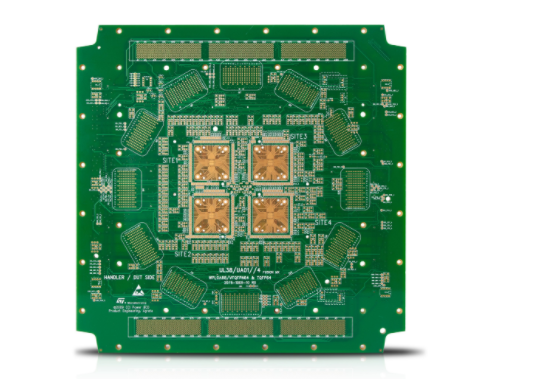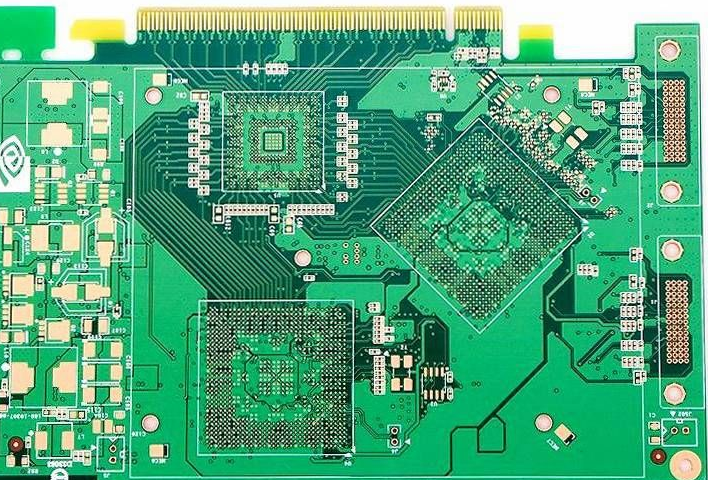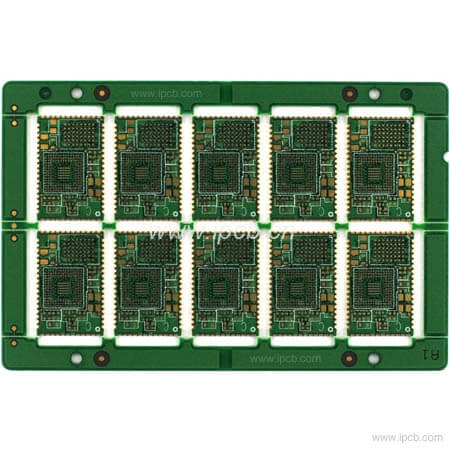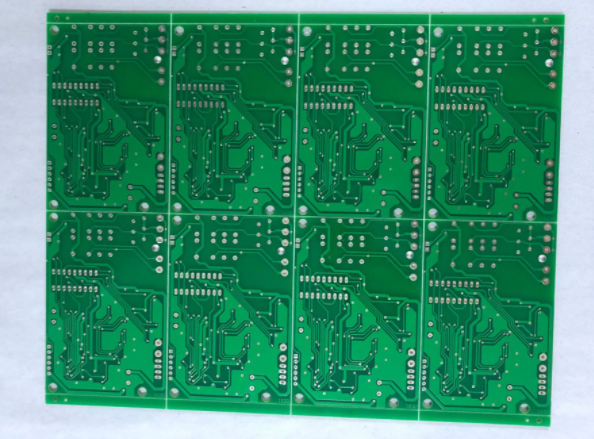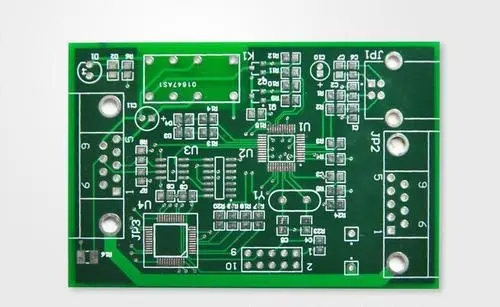

PCB circuit board, also known as printed circuit board, is a supplier of electrical connections for electronic components. Its development has a history of over 100 years. Its design mainly involves layout design. The main advantage of using circuit boards is that they greatly reduce wiring and assembly errors, improve automation levels, and increase production labor rates.
According to the number of circuit layers on the circuit board, it can be divided into multi-layer circuit boards such as single-sided circuit boards, double-sided circuit boards, four layer circuit boards, and six layer circuit boards.
Due to the fact that circuit boards are not typical terminal products, the definition of their names is somewhat confusing. For example, the main circuit board used in personal computers is called the main circuit board and cannot be directly referred to as a circuit board. Although there are circuit boards on the main circuit board, they are not the same, so when evaluating the PCB industry, the two are related but cannot be said to be the same. Another example: Because integrated circuit components, such as IC based circuit boards, are installed on the circuit board, but in reality they are different from printed circuit boards. We usually refer to printed circuit boards as bare circuit boards, which are circuit boards without upper components.
The main advantages of using printed circuit boards.
1. Due to the repeatability and consistency of graphics, errors in wiring and assembly are reduced, saving equipment maintenance, debugging, and inspection time.
2. Computers can be standardized for easy interchangeability.
3. High wiring density, small size, and light weight are conducive to the miniaturization of electronic devices.
4. Beneficial for mechanization and automation production, improving labor productivity, and reducing electronic equipment costs.
5. Especially the bending resistance and accuracy of FPC flexible circuit boards are more suitable for application in high-precision instruments. (such as cameras, mobile phones, camcorders, etc.)
6. By adopting strict testing and aging tests, the service life of PCB can reach 20 years, suitable for semiconductor packaging, automotive industrial control and other fields.
7. Through circuit board technology, complex circuits can be simplified, enabling mass production of components, optimizing spatial layout, and supporting various forms such as single-sided circuit boards, double-sided circuit boards, multi-layer circuit boards, and high-density interconnect circuit boards.
The manufacturing methods of PCB circuit boards can be divided into three categories: subtraction, addition, and semi additive methods. At present, large-scale industrial production still mainly relies on the method of reducing copper foil corrosion.
PCB Circuit Board
Price of circuit board
According to the design of the circuit board, the price will be determined by the material of the circuit board, the number of layers of the circuit board, the size of the circuit board, the quantity produced each time, the production process, the minimum line width and spacing, the minimum aperture and number of holes, special process requirements, etc There are several main ways to calculate prices in the industry.
1. Calculate price by size (applicable for small batches of samples)
The manufacturer will provide a unit price per square centimeter based on different layers and processes of the circuit board. Customers only need to change the size of the circuit board to centimeters and multiply it by the unit price per square centimeter to obtain the unit price of the circuit board they want to produce This calculation method is very suitable for ordinary process circuit boards, which is convenient for both manufacturers and buyers Here are examples to illustrate:
For example, a certain production factory prices single-sided circuit boards, FR-4 materials, for orders of 10-20 square meters at a unit price of 0.04 yuan/square centimeter. If the purchaser's circuit board size is 10 * 10mm and the production quantity is 1000-2000 pieces, it exactly meets this standard, and the unit price is equal to 10 * 10 * 0.04=4 yuan per piece.
2. Refine price calculation based on cost (applicable to large quantities)
Because the raw material of circuit boards is copper-clad circuit boards, factories producing copper-clad circuit boards have set some fixed sizes for sale in the market, commonly including 915MM * 1220MM (36 "* 48"); 940MM*1245MM(37"*49"); 1020MM*1220MM(40"*48"); 1067mm*1220mm(42"*48"); 1042MM*1245MM(41"49"); 1093MM*1245MM(43"*49"); The manufacturer will calculate the utilization rate of copper-clad circuit boards for this batch of circuit boards based on parameters such as materials, layers, processes, and quantities, in order to calculate the material cost
For example, if you produce a 100 * 100MM circuit board, the factory may assemble it into large blocks of 100 * 4 and 100 * 5 circuit boards to improve production efficiency. They also need to add some spacing and circuit board edges for ease of production. Generally, the spacing of the circuit board is 2MM, and the edge of the circuit board is 8-20MM. Then, the formed large circuit board is cut into the size of the raw material. If it happens to be cut, there is no extra circuit board, which maximizes utilization Calculating the utilization is just one step, and the drilling cost also needs to be calculated.
Look at how many holes there are, how big the smallest hole is, how many holes there are on a large circuit board, and calculate the cost of electroplating copper and other small processes based on the wiring inside the circuit board. Finally, add the average labor cost, loss rate, profit margin, and marketing expenses of each company, and divide this total cost by how many small circuit boards can be produced from a large piece of raw material to obtain the unit price of a small circuit board This process is very complex and requires a dedicated person to do it. Generally, the quotation takes several hours or more.